



When Little Legs Give Out: Carrying Kids on the Trail Without the Struggle

It happens on almost every family hike. You're a mile from the car, the scenery is gorgeous, and suddenly your child sits down in the middle of the path and announces they cannot take another step. Every parent who has ever hiked with young kids knows this moment. The question isn't whether it will happen. It's how you'll handle it.
Carrying a tired child is part of the deal, but it doesn't have to be miserable. With the right approach and a bit of gear, you can get everyone back to the trailhead without a meltdown, a backache, or a vow to never hike again.
Choosing the Right Carry System
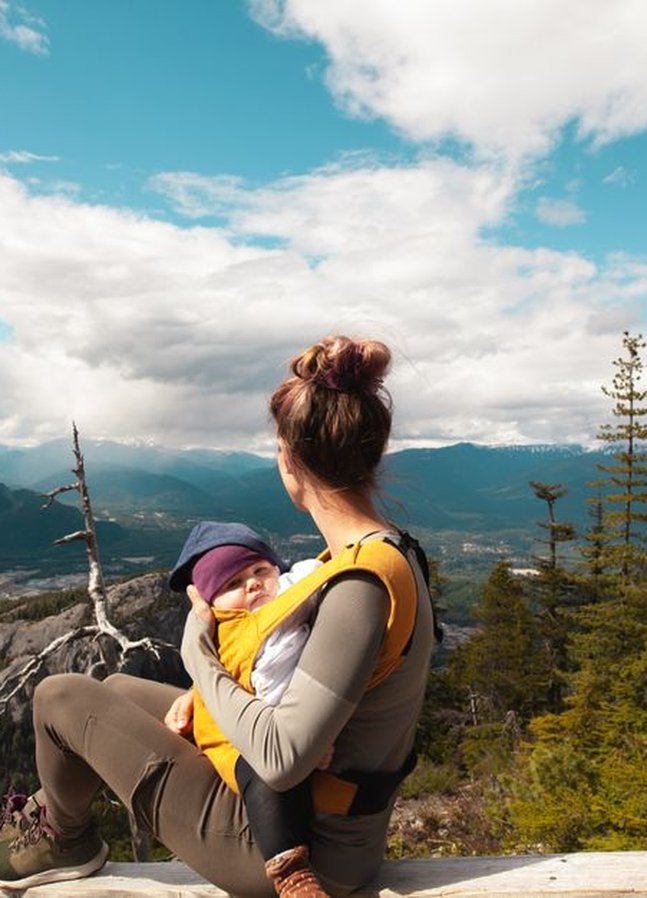
For babies and small toddlers, a structured carrier is the gold standard. A proper hiking carrier with a frame, a hip belt, and a sunshade distributes weight onto your hips instead of your shoulders, which makes a huge difference over miles. Look for one with a kickstand so you can set it down safely during breaks.
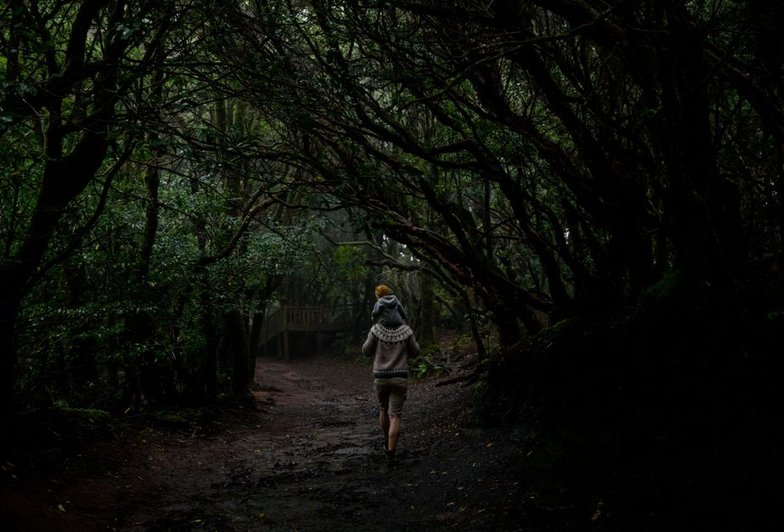
For older kids who mostly walk but occasionally need a lift, a soft carrier or a piggyback is usually enough. Some families swear by a lightweight toddler carrier that folds small enough to stuff in a daypack. For kids old enough to walk but prone to sudden fatigue, a simple shoulder ride can bridge the last quarter mile. Just be careful with footing, since carrying a child changes your balance.
If you're hiking with two adults, consider splitting the load. One person carries the child while the other carries the pack. Trading off every so often keeps anyone from getting too worn out.
Preventing the Meltdown in the First Place
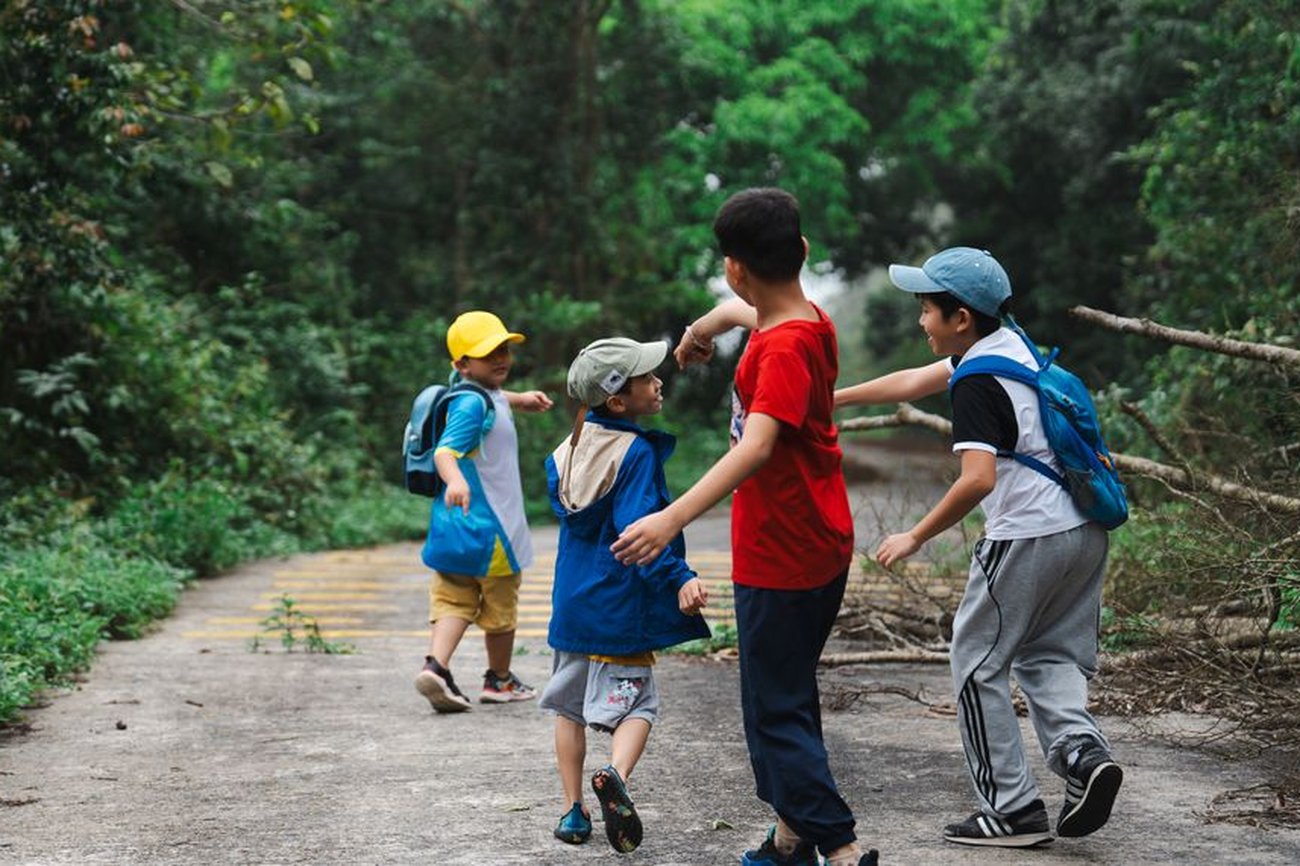
The best carry is the one you never need. A few small habits keep little legs going longer. Start with realistic distances. A common guideline is that young kids can handle roughly a mile for every year of age, often less on hilly terrain. Plan shorter hikes than you think you need, and build up gradually.
Take frequent breaks before anyone asks. Snacks and water every twenty to thirty minutes keep energy up and moods steady. Make the hike itself a game: count the red leaves, spot the trail markers, or race to the next bend. Engagement is fuel.
Watch for early signs of fatigue, like slowing down, tripping, or getting quiet. That's the moment to rest or offer a carry, before frustration sets in. And always let kids walk when they want to, even if it's slow. The more they walk, the stronger they get, and the less you'll carry over time.
Finally, keep the mood light. If you end up carrying your child the last half mile, that's not failure. That's just parenting on a trail. The memories you're building are worth every sore shoulder.







Every family hiker eventually faces a tired kid on a trail, and a little planning makes all the difference.
Confidence on the trail grows with every small win, and these five hike styles are perfect for building it.
A gentle, practical guide to introducing young children to hiking so their first memories of the trail are happy ones.
Simple, kid-approved trail food ideas that hold up in a backpack and keep little hikers moving.
Honest, practical advice for parents who want to keep hiking after a baby joins the family.