



The First Hike: How to Get Your Kids on the Trail Without the Tears
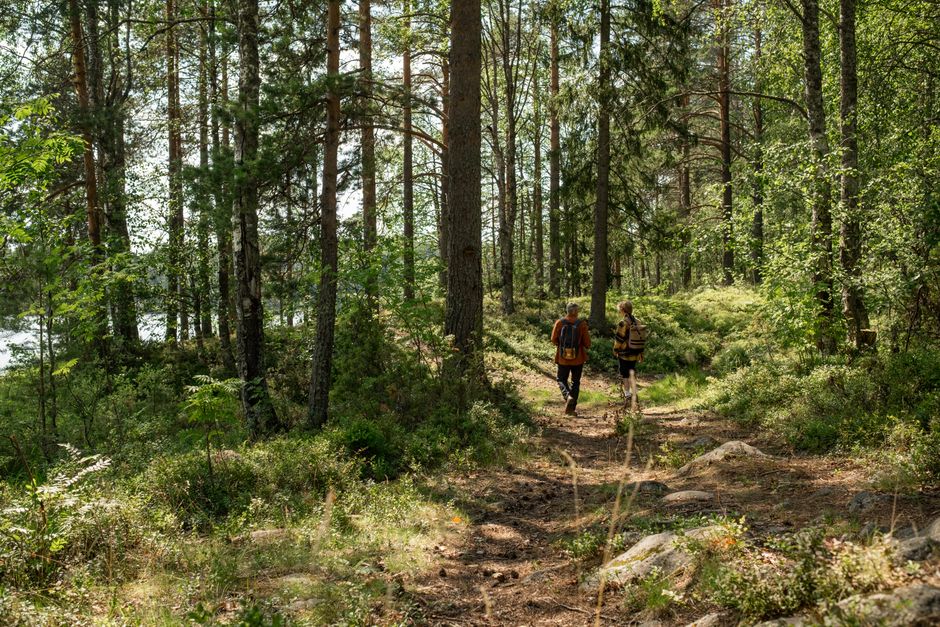
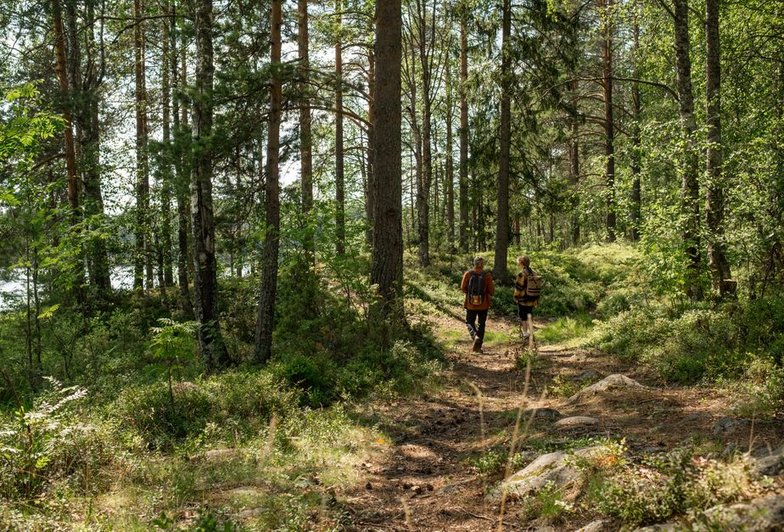
Every hiking family has a story about the first hike. Sometimes it ends with a toddler asleep on someone's shoulders and everyone smiling. Sometimes it ends with a meltdown two hundred yards from the trailhead. The difference between those two outcomes is rarely luck. It is planning, and it starts long before you lace up anyone's boots.
The biggest mistake new hiking parents make is choosing a trail that sounds impressive instead of one that fits their kids. Forget summit views and mileage goals for now. A first hike should be short, flat, and full of things to notice. A half-mile loop around a pond where you can throw sticks and spot frogs will do more for your family's trail habit than a five-mile march ever could.
Pick the Right First Trail
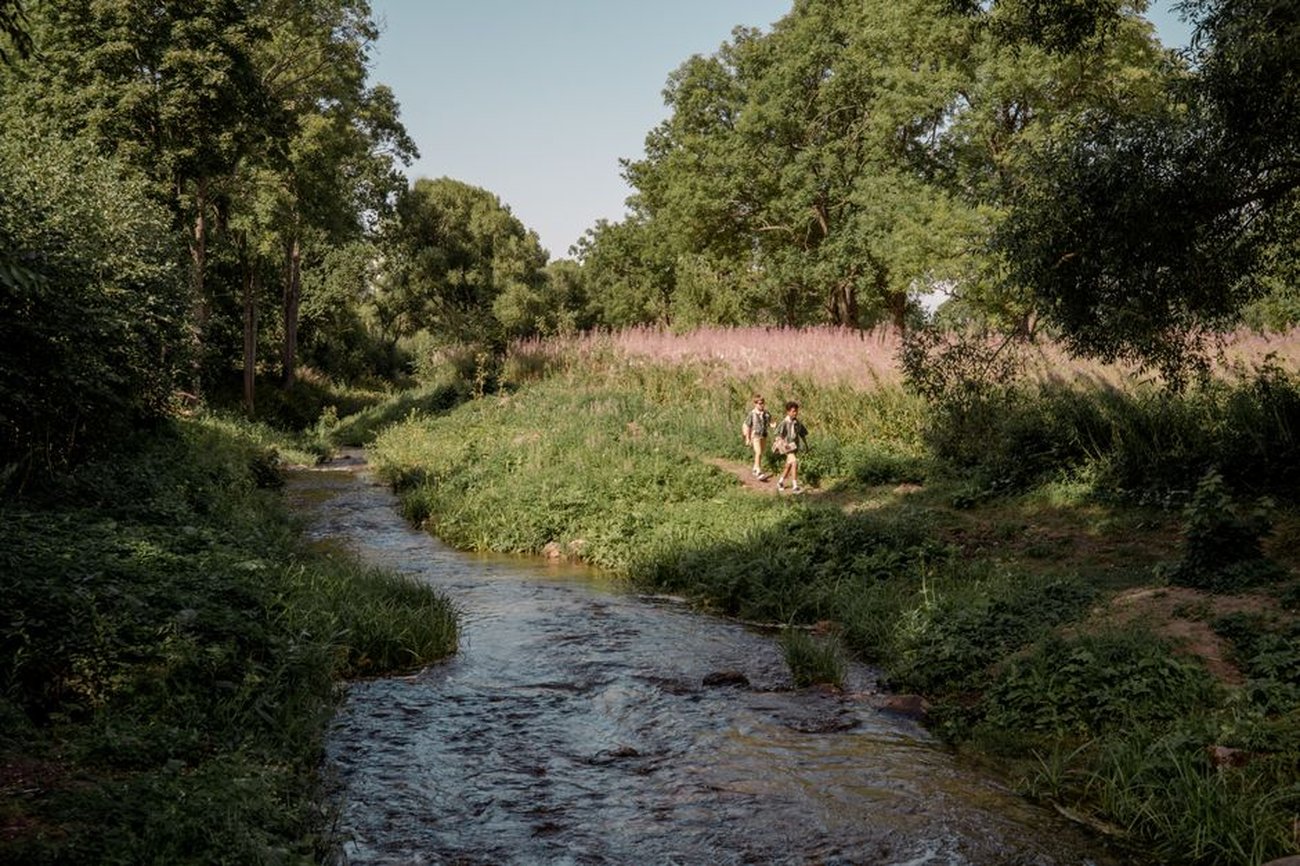
Look for trails with built-in rewards. Boardwalks over wetlands, creeks with shallow banks, and paths that pass big trees or rock formations give kids reasons to keep walking. Wide, well-maintained paths also mean fewer roots to trip over and more room for little legs to wander safely. If your area has nature centers with marked kid-friendly loops, start there. These trails are usually designed with short attention spans in mind, and they often have benches and bathrooms at the trailhead, which matters more than you think.
Timing is the other half of the equation. Most young children hike best in the morning, after a real breakfast and before the day's heat and fatigue set in. Trying to squeeze a hike into the slot right before nap time is a recipe for a piggyback ride back to the car. Give yourself permission to turn around early. A twenty-minute walk that ends with everyone still cheerful is a success, not a failure.
Pack for Fun, Not Just for Safety
You already know to bring water, snacks, and a basic first aid kit. What many parents forget is the fun gear. A small pair of binoculars, a magnifying glass, or a cheap plastic compass can transform a boring walk into an expedition. Let each kid carry their own tiny backpack with one or two lightweight treasures inside. Ownership changes everything. A child who is responsible for the snack bag walks with purpose.
Snacks deserve special mention. Bring more than you think you need, and bring things that are easy to eat while walking. Trail mix, fruit, and crackers work well. Save a special treat, like a cookie or a piece of chocolate, for the turnaround point. It gives kids something to look forward to and turns the halfway mark into a celebration instead of a disappointment.
Dress everyone in layers and choose shoes with real tread. Cotton socks hold sweat and cause blisters, so pick wool or synthetic socks if you can. And bring a change of clothes for the car ride home, because kids will find the one mud puddle on the entire trail. That is not a problem. That is the point.
Finally, talk about the hike afterward. Ask what they saw, what they liked, what was hard. Let them tell the story of the adventure. Kids who feel like hikers start asking to go again, and that is how a family trail habit begins. The first hike is not about distance. It is about planting a seed, and seeds grow best in soft, happy ground.





A gentle, practical guide to introducing young children to hiking so their first memories of the trail are happy ones.
Simple, kid-approved trail food ideas that hold up in a backpack and keep little hikers moving.
Honest, practical advice for parents who want to keep hiking after a baby joins the family.
Fun, hands-on ways to help children understand why we protect the places we hike.
How to embrace wet weather hiking with kids and turn a rainy day into a memorable adventure.